La nostra accoglienza in agriturismo B&B
Quando scegli un agriturismo o un B&B non stai scegliendo solo un alloggio.
Il prezzo è importante, certo. Ma non ti racconta mai come sarai accolto. Quanto sarà accogliente e cosa succederà se durante il soggiorno avrai bisogno. Noi siamo presenti per qualsiasi necessità h 24.
Per sapere della nostra accoglienza è molto semplice. Leggi le recensioni di chi è passato da qui, leggi le loro esperienze e fatti un idea.
More
- Mercoled� 14 Ottobre 2026
- Tourism
Ciato, vivi il tuo autunno.
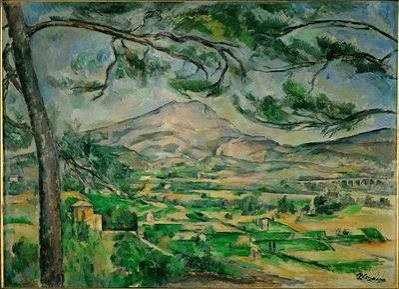
L'autunno ha qualcosa di magico: le valli si tingono di sfumature dorate, paiono una tavolozza dei grandi pittori esposte alla Magnani Rocca e nella Pilotta, le temperature sono ideali per muoversi e le destinazioni si godono senza il caos estivo.
L'autunno non dura per sempre, ma i ricordi sì. Scegli la tua destinazione, scegli agriturismo Ciato e parti verso la tua prossima storia.
More
Autunno in agriturismo
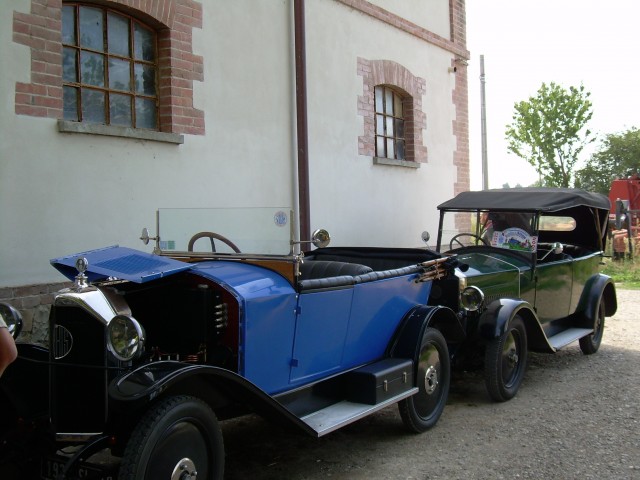
L'autunno è fatto per essere vissuto e i ponti di ottobre sono la scusa perfetta per staccare la spina, cambiare aria e rimettersi in viaggio. Che tu stia cercando un weekend fuori porta, un itinerario nella natura o una visita express alla città di Parma, chiamaci e collocati al centro della food walley.
I ponti di ottobre durano poco, ma i ricordi restano per sempre! Non aspettare l'ultimo minuto chiama ora.
More
Agriturismo Ciato Per borghi e per boschi.
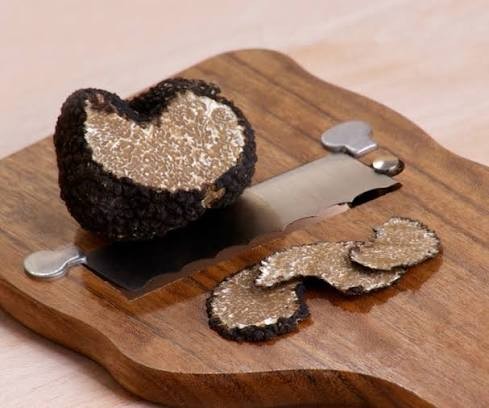
Ottobre è un mese pieno di fiere, eventi e occasioni da mettere in agenda.
Ti segnaliamo uno degli appuntamenti più interessanti del mese; Fiera del Tartufo destinazioni facilmente raggiungibile dalla corte dell’agriturismo Ciato.
More
Ottobre Colori in agriturismo Parma.
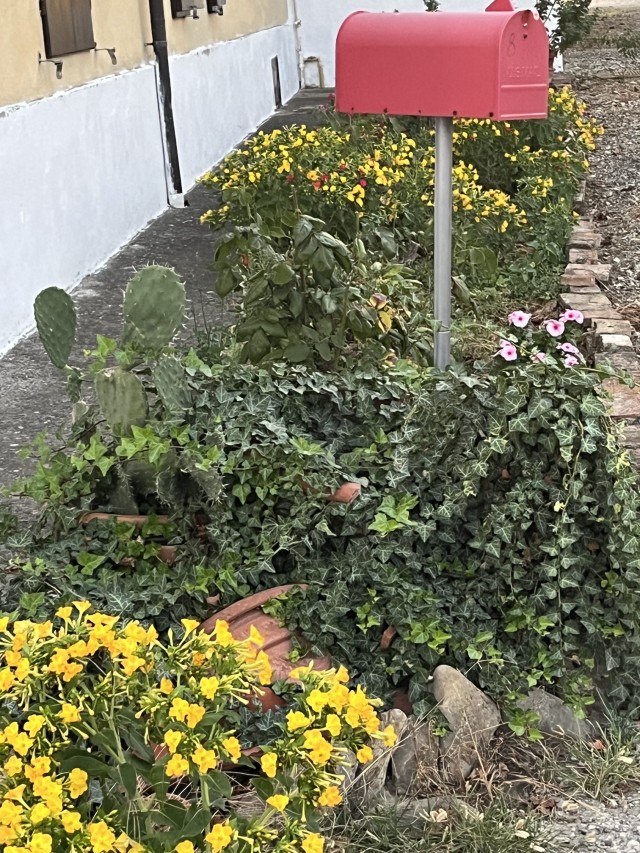
La gente aspetta tutta la settimana per il venerdì, adesso che è arrivato cosa aspetti. Carica un pochino di buon umore e incamminati per l’agriturismo Il Ciato di Parma.
More
Autunno in agriturismo Parma
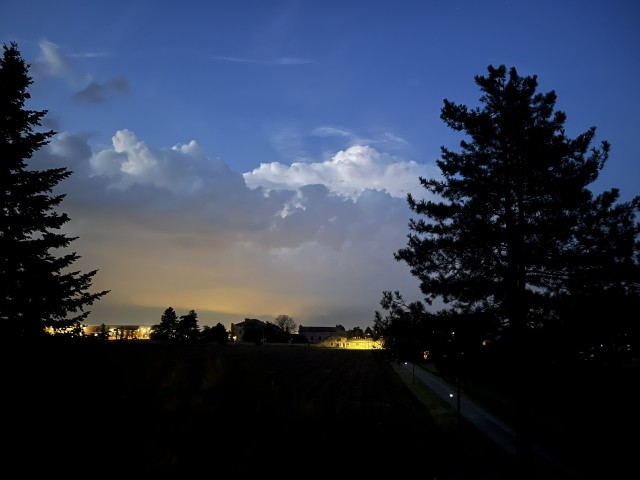
Vieni qui a Ciato, agriturismo in val Parma.
Lasciati conquistare dai colori della natura che lo circonda. Fai una sosta nella stanza relax.
Assapora la rugiada dell’autunno, quella del dio Bacco e ammira l’anfiteatro dell’Appennino tosco emiliano che lo circonda.
Una prospettiva unica che vale bene un soggiorno.
More
Agriturismo Ciato - Girando per Parma.
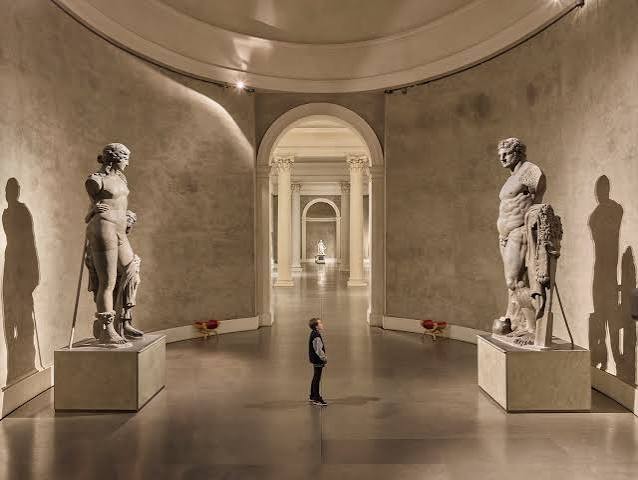
Probabilmente uno dei luoghi più attrattivi della città di Parma è la Pilotta. Imponente palazzo monumentale situato nel centro storico di Parma, simbolo del potere della famiglia duca Farnese. Importante centro culturale che ospita diverse istituzioni museali e artistiche di rilievo:
- Teatro Farnese: un magnifico teatro interamente realizzato in legno, costruito nel Seicento.
- Galleria Nazionale di Parma: un museo che raccoglie opere di grandi maestri come Leonardo da Vinci, Correggio e Parmigianino.
- Museo Archeologico Nazionale: custodisce reperti preziosi che raccontano la storia del territorio dalla preistoria all'età romana.
- Biblioteca Palatina: conserva migliaia di volumi antichi, manoscritti e rare opere letterarie.
More
- Mercoled� 09 Settembre 2026
- Tourism
In agriturismo le vacanze non finiscono a settembre.
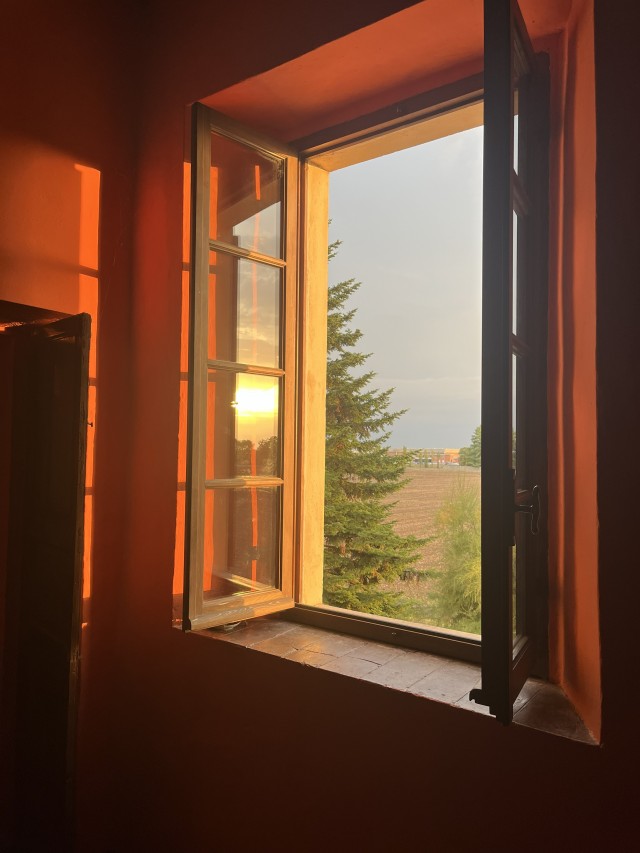
Settembre non è il mese per ricominciare da capo; è il mese per iniziare a divertirsi davvero. Chi sa viaggiare conserva i propri giorni di ferie per questo momento: quando il clima e più tiepido le valli si colorano e la strada diventa una mappa aperta, tranquilla e da vivere. Non sei in ritardo sei al momento giusto! Le vacanze non finiscono perché lo dice il calendario, finiscono quando lo decidi tu.
More
Agricoltura e ambiente.
 More
More
16 Rural breakfast
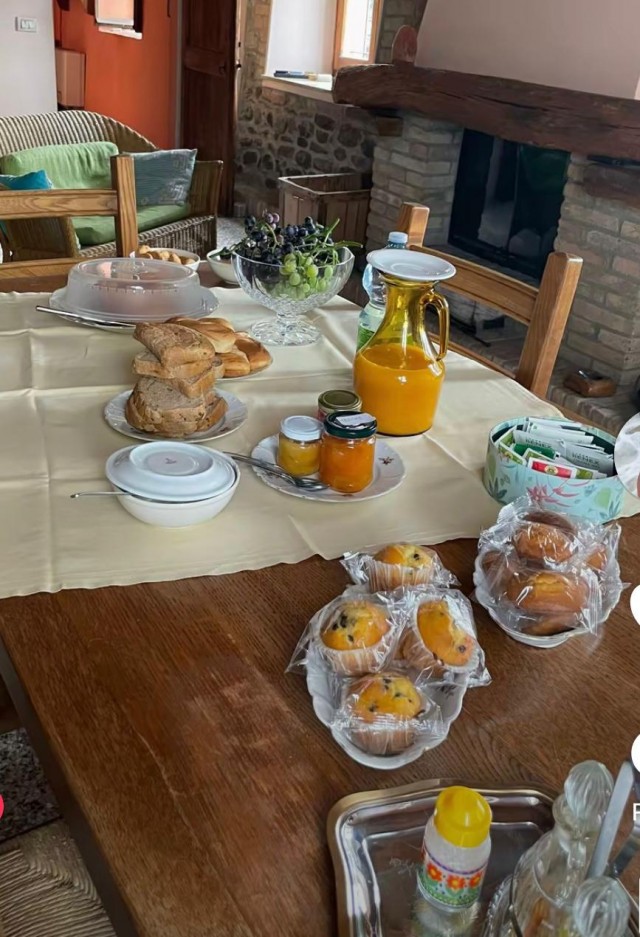
What's a good day? The one when you wake up to a delicious country breakfast.
More
Yesterday, today, tomorrow.
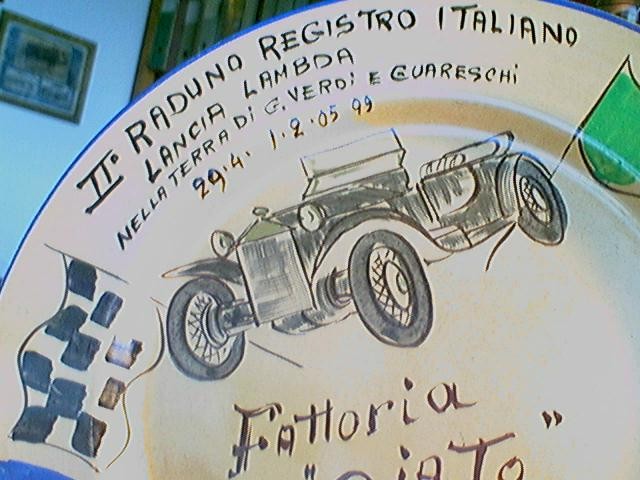
Yesterday is remembered, tomorrow is dreamed of, but today is lived. And to live it well, I came to Ciato!
More
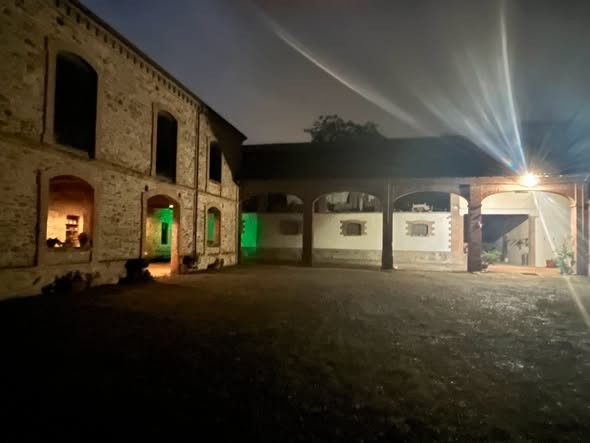
Una sera con ospiti UK
 More
More
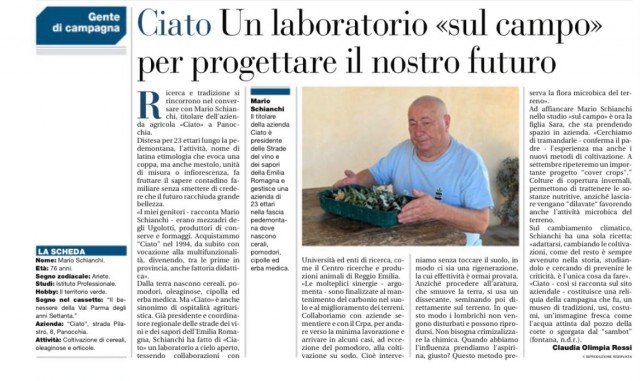
Ciato sulla stampa.
 More
More
Breakfast at the farmhouse

For those who think everything tastes better at Ciato on the weekend. Coffee, cappuccino, good morning. Because the weekend at Ciato is always the weekend.
More
sleep on a farm
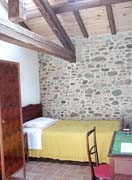
I don't know about you, but I need to catch up on some sleep. I'll be waiting for you at the farmhouse!
More
.the farmhouse is closed on August 15th
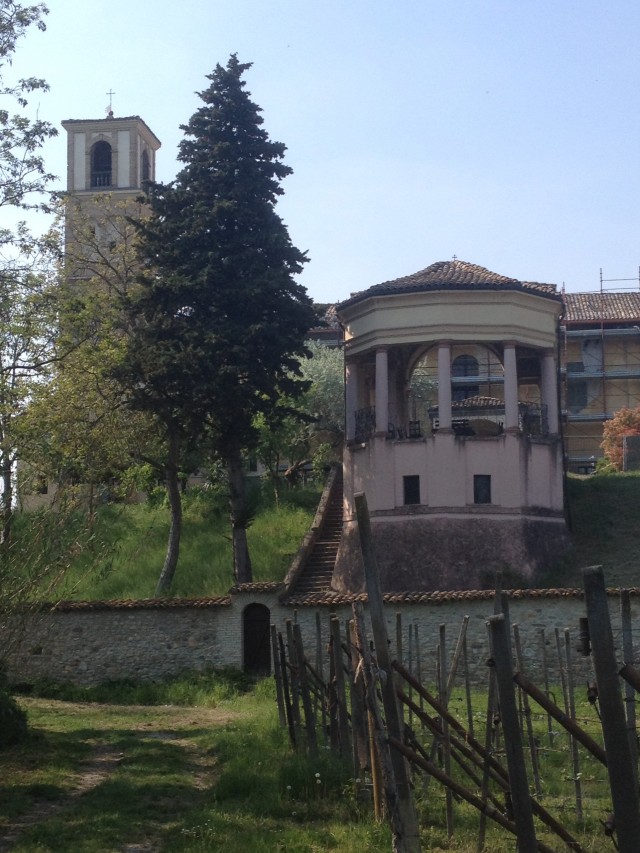
I officially declare Ferragosto closed. Have a good rest, everyone.
More
Agriturismo Ciato
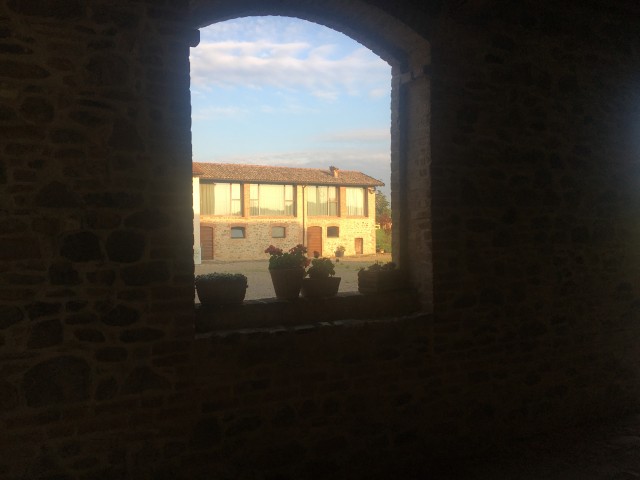
Saturday was divine, spent at the Ciato farmhouse, Sunday was a sadness as was the eve of Monday.
More
Agritueismo Ciato Parma
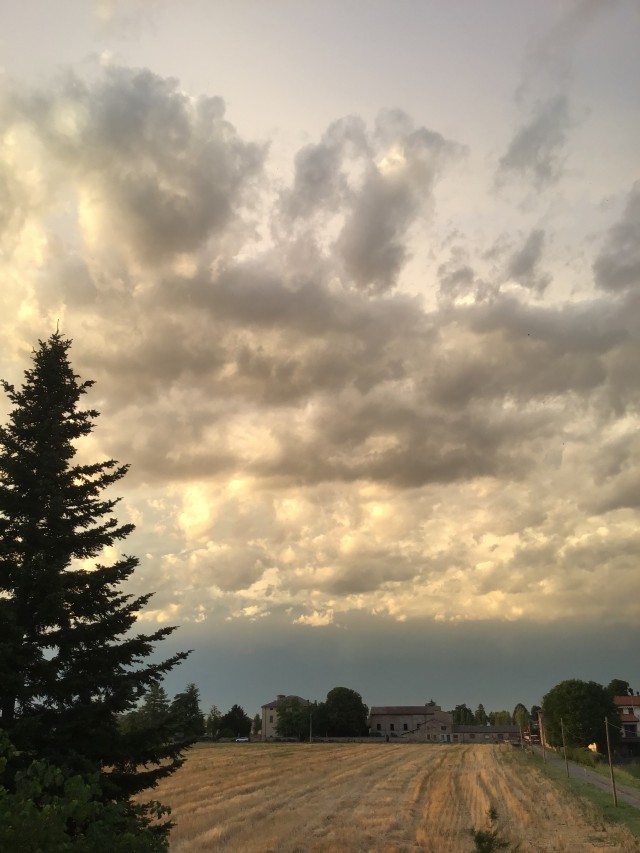
Immerse yourself in the countryside at the Ciato farmhouse, the rest will follow!
More
Agriturismo Ciato a Parma
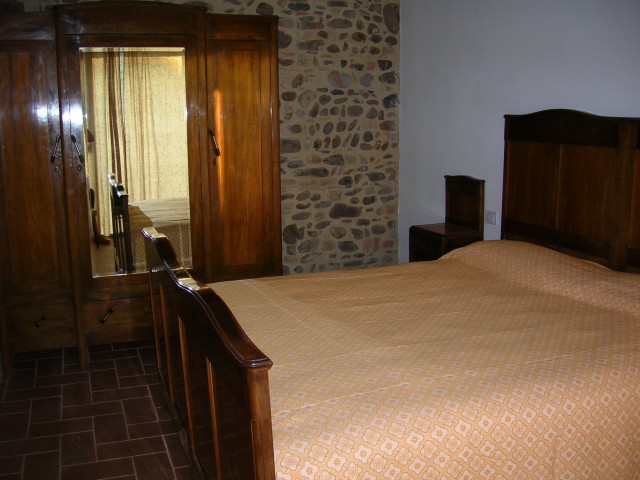
"The best thing to do when traveling is to get lost. When you get lost, plans give way to surprises, and it is then, and only then, that the journey begins." Nicolas Bouvier
More
San Lorenzo on a farm
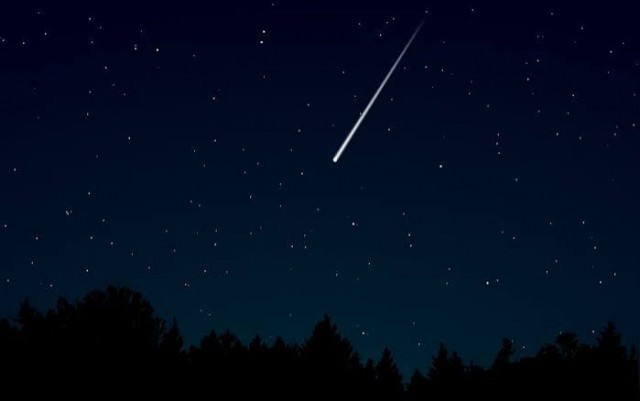
Last night, our guests looked up to the sky to see a shooting star and make a wish.
Make it too: a wish for a night at Ciato to search for the treasures of the Parma Valley.
More
Agriturismo Ciato Val Parma.
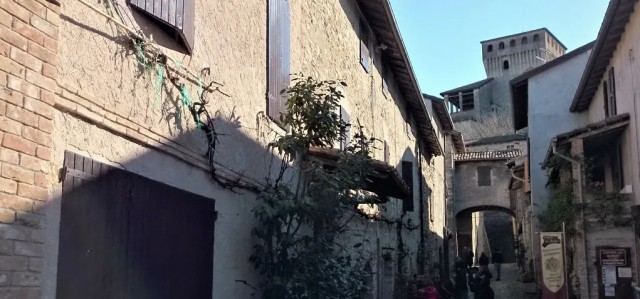
Come to Ciato, a farmhouse in the Parma Valley.
Let yourself be captivated by the colors of the vine leaves surrounding Torrechiara Castle. Stop at Cantina del Borgo. Admire the valley from its towers, a unique perspective that's well worth a stay.
More
Agriturismo Ciato, my home
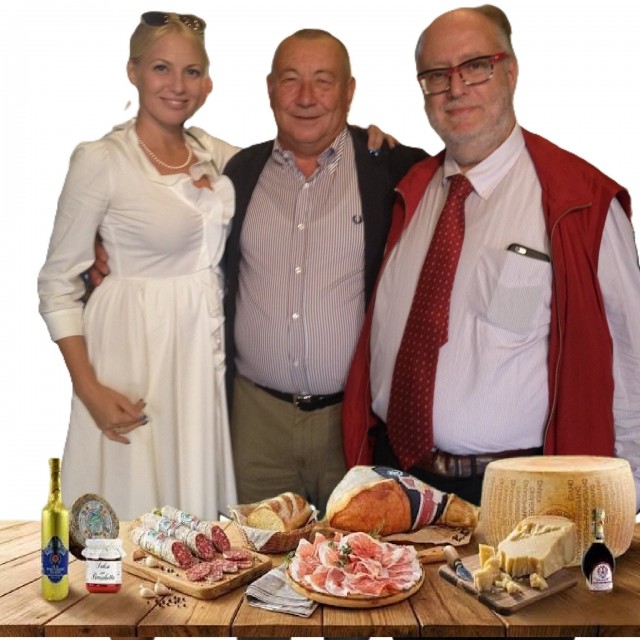
Discover the flavors of my home-grown food, the traditions and people that make Emilia the food valley, a delicious place where you can taste the king of cheeses and cured meats, the stars of our table. Every experience tells a story of people, places, and pride.
More
Ciato your farmhouse
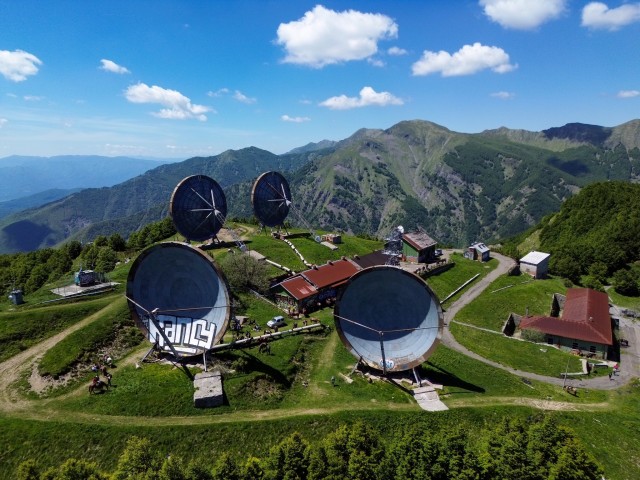
Staying at the Ciato agriturismo and longing to overlook the Tuscan-Emilian Apennines?
Climb up there, on the border with Tuscany, that border that has long united the mountaineers, to Mount Giogo.
You'll have mountains and sea before you. It was NATO's eye on the Mediterranean from 1956 until 1995, the end of the Cold War.
More
Agriturismo Ciato, come and meet us.
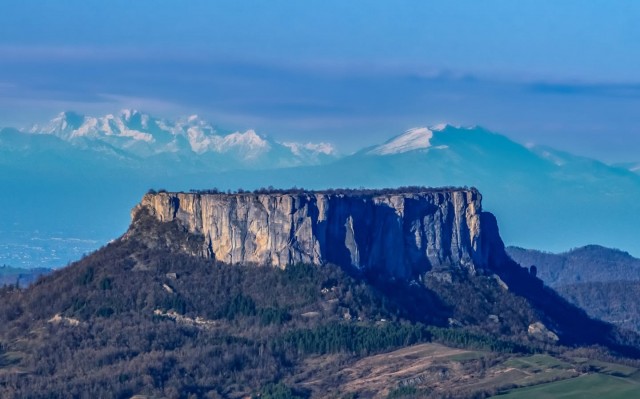
It's important to have a little local knowledge when you arrive in the Parma Valley.
Whether you're looking for an adventurous trip or a relaxing getaway, it's best to rely on someone who has been working in the area for a long time and offers expertise, like Agriturismo Ciato.
More
The Valley of the Knights
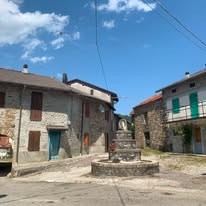
Come to the Parma Ciato farmhouse, then head towards the Enza Valley, staying on the Parma side. You'll encounter a hidden history: the Valley of the Knights offers a fascinating glimpse into what was once the lands of Matilda of Canossa.
More
